Do More, Better Work
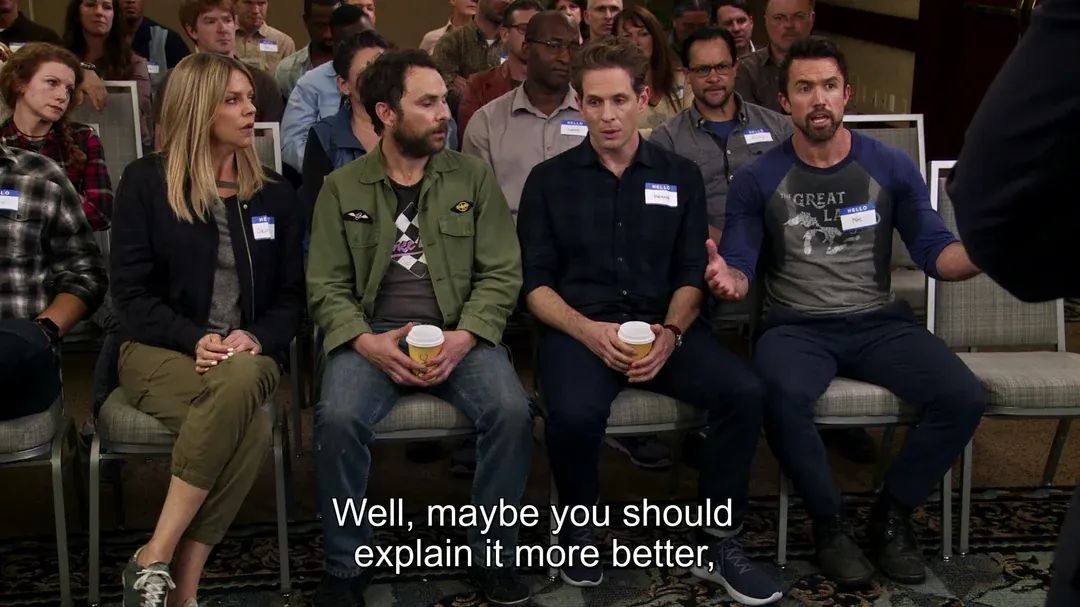
I keep finding myself saying the same thing to my team: we need to do more, better work. I've said it in Slack threads, on calls, in all-hands meetings. And every time I say it, I hear it — that's not exactly a sentence my kids' English teacher would approve of. I'm fairly certain Mac from It's Always Sunny has used it unironically, which is not the company you want to keep when you're trying to sound like a credible executive. But I haven't found a cleaner way to say it, because the idea is the thing: not just more work. Not just better work. More, better work. Both at the same time. And AI is the thing that actually makes that possible.
The default narrative for AI is an efficiency story: same work, less time. Or more work, same time. Speed. Throughput. Hours saved. And that's not wrong — but it misses the bigger thing.
When we introduced Prism across our agencies at Stellar, we didn't lead with "this will save you two hours a week." We led with: what can you do now that you literally couldn't do before? What does this unlock? A single media strategist — no matter how good — is limited by their own experience. Maybe they've run campaigns in 10 verticals, spent a few million across a handful of platforms. Prism can synthesize data across all of it and surface patterns and recommendations that no single person could spot on their own. That's not efficiency. That's capability.
And that's how we framed the entire rollout. When we gamified adoption, we placed a modest incentive for who used it the most, but the bulk of incentive was for people who shared with their teams how Prism made their work better — a use case that made them more effective, a client story where it drove a stronger outcome, how it helped differentiate what we do. The incentive was as much around quality, not quantity. We wanted our teams to see AI as the analysis layer — the place where the magic happens — not just another button to push. Automation has become commoditized but insight layer is the real competitive advantage.
We saw the same thing with Adroom for creative. The value isn't "generate more ads." It's that every asset comes out aligned to platform best practices, to the pixel. When one of our team members tested an Adroom-generated Valentine's Day creative on Meta against the client's own asset, it drove 2.5x more sales. That's not a speed win — that's a quality win that shows up directly in revenue. Our pitch decks are tighter because the audits behind them are more comprehensive. Our campaigns are sharper because the recommendations are grounded in more data than any one strategist could process alone.
The research backs this up. Harvard (never heard of them) and BCG studied 758 consultants using AI. The headline everyone cites: 25% faster. The headline nobody cites: 40% higher quality output. Quality beat speed. Same people, same tasks. Junior consultants improved by 43% — AI didn't just accelerate them, it elevated them. Stanford found that two-month employees with AI matched six-month veterans without it. In Sweden, AI-supported mammography caught 29% more cancers with no increase in false positives — while cutting radiologist workload by 44%. Better and faster, but better is what actually saved lives.
So here's my challenge. Stop measuring AI by the clock. Start measuring it by the outcome. Not "how fast did we get this done?" but "is this better than what we would have produced without it?" Tighter strategy. Fewer errors. Deeper insights. Humans freed up to connect the dots and do the work that actually matters.
Do more, better work. My kids' grammar teacher can send me a note.